
October planning can produce a flood of sticky notes, meeting pages, and half-finished digital threads. A shared idea wall gives that energy one visible place, but only if it helps ideas move. The aim is not to display everything the team has considered. It is to create a simple path from observation to decision to assigned action.
This setup works for a small office, classroom, volunteer group, studio, or household project. It combines a writable surface, movable cards, a compact reference area, and a short review rhythm.
Give the wall one job
An idea wall works when everyone knows what belongs there. Choose one October outcome—such as a campaign launch, service improvement, classroom project, or year-end readiness—and write it at the top. Keep unrelated reminders elsewhere. A narrow purpose makes contributions easier to evaluate and prevents the surface from turning into permanent background noise.
Define what “done” will look like and set a review date. The wall is a working surface, not an archive. When the date arrives, decisions should move into the team’s normal task system and stale notes should come down.
Choose a surface that fits the room
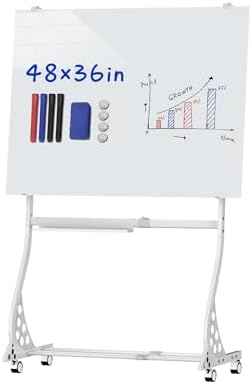
A 48-by-36-inch Mobile Glass Whiteboard can move between a meeting area and a quiet work zone. Before choosing it, measure doorways, turning space, and the parking location. Locking wheels and height adjustment matter most when several people use the board.
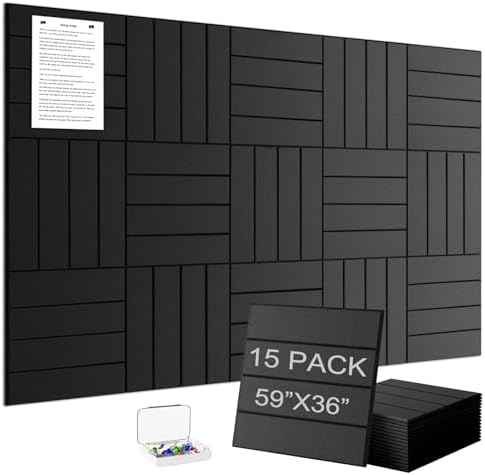
For a fixed display, the Large Felt Wall Tiles Bulletin Board creates a broad pin-up area without using table space. Confirm wall compatibility and follow the mounting instructions. Compare more formats in Presentation Boards.
Create four visible lanes
Divide the surface into Capture, Clarify, Decide, and Doing. New ideas enter Capture without debate. During review, unclear notes move to Clarify, choices ready for commitment move to Decide, and only assigned work enters Doing. The lanes make status visible without requiring a complicated code.
Limit the Doing lane. A small work-in-progress limit encourages completion and makes overload obvious. When a card leaves Doing, replace it with the next agreed priority instead of filling every open inch immediately.
Use cards that can move
Write one idea per card in large, plain language. Colored 5-by-8 Index Cards provide enough space for an action, owner, and due date. Use color for one stable meaning—such as workstream or urgency—rather than changing the code each week.
Keep a small stack and markers beside the wall so adding a thought takes seconds. The Dabo & Shobo Dry Erase Marker Bulk Pack supports shared sessions; test marker compatibility with your chosen surface and erase promptly after meetings.
Run a 15-minute weekly review
Set a visible boundary with the Rechargeable Visual Timer. Spend three minutes reading, five minutes clarifying, five minutes deciding, and two minutes assigning next actions. A timebox keeps the team focused on movement instead of presentation.
Ask three questions: What changed? What is blocked? What is the next smallest decision? Record answers directly on the relevant card. If a discussion needs deeper work, assign it outside the review and keep the wall session moving.
Design for quiet participation
Not every useful idea appears in a meeting. Leave a clear capture area available between reviews and invite people to add cards asynchronously. Provide a brief prompt, such as “What would remove one delay?” or “What must be ready before November?”
During the review, read every new contribution before grouping similar ideas. This gives quieter participants a fair path into the process. Avoid turning handwriting, color choice, or presentation polish into an informal gate for participation.
Keep reference material separate
Use the bulletin surface for compact references: a calendar, customer insight, diagram, or definition that helps decisions. Do not pin every email or meeting printout. Detailed records belong in Filing Products or Binders & Binding Systems.
Place only the current version on the wall and date it. When a reference changes, replace the old copy immediately. A trustworthy wall saves time because people do not need to ask which information is current.
Close the loop visibly
When work is complete, move the card to a small Done area for one review cycle. Briefly recognize the result, capture any lesson worth keeping, then clear the card. The temporary Done lane provides momentum without letting finished work consume the active surface.
Photograph or transcribe the board only when the record is genuinely useful, and follow your organization’s privacy practices. The goal is a reliable workflow, not a gallery of old snapshots. Browse Presentation Products for supporting meeting tools.
Reset for the next cycle
At the end of October, remove expired references, clean the writing surface, return markers to their holder, and review which lane caused delays. Adjust one rule at a time. If Clarify always fills up, improve the card prompt; if Doing stalls, lower the work limit.
A useful idea wall feels active but calm. It shows the next conversation, the next decision, and the next action. Start with one outcome and one 15-minute review, then let the team’s real behavior shape the system.
Start the first session
Gather the team, state the single October outcome, and give everyone five quiet minutes to write cards before discussion begins. Group duplicates, clarify language, choose no more than a few immediate actions, and assign an owner to each. Keep the rest visible for the next review rather than forcing instant agreement.
Explore Desk Accessories & Workspace Organizers for supporting supplies, then schedule the first review while the setup is fresh. A wall becomes valuable through use, not decoration.